What Is Baby Tableware and Why Does It Matter for Infant Feeding Safety
2025-12-25
Baby tableware is far more than a collection of small plates and spoons. It directly affects a baby’s feeding safety, motor skill development, and long-term eating habits. In this in-depth guide, we explore what baby tableware is, why it matters, how to choose the right materials, and what features truly support healthy infant feeding. Drawing on real manufacturing insights and safety standards, this article helps parents, distributors, and brands make informed decisions.
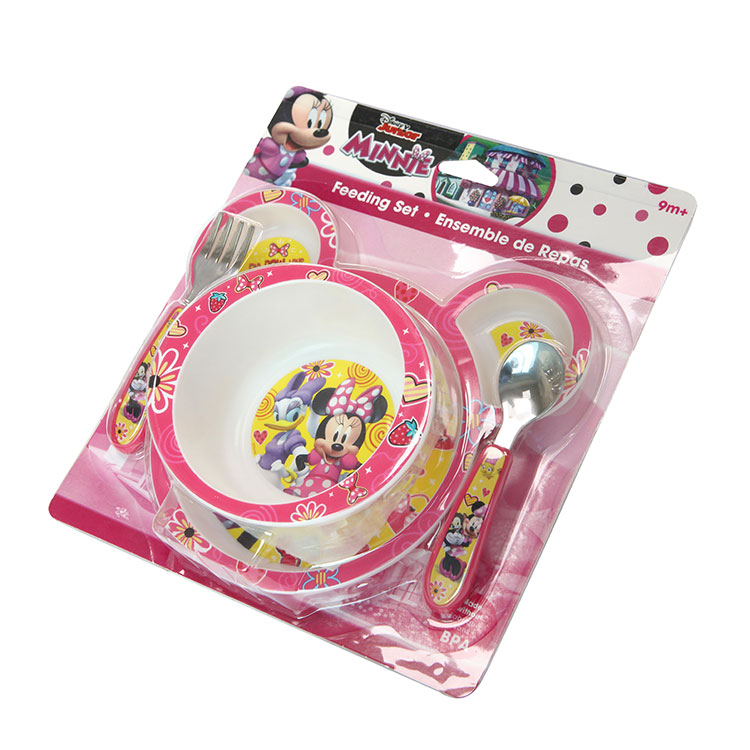
Table of Contents
- What Is Baby Tableware?
- Why Baby Tableware Is Different from Adult Tableware
- Why Baby Tableware Matters for Infant Feeding Safety
- Common Materials Used in Baby Tableware
- Key Safety Standards and Certifications
- Functional Features That Improve Feeding Experience
- Baby Tableware by Age Group
- Comparison Table: Baby Tableware Materials
- How Quality Baby Tableware Supports Healthy Habits
- Frequently Asked Questions
What Is Baby Tableware?
Baby tableware refers to specially designed feeding products made for infants and toddlers, including baby plates, bowls, spoons, forks, cups, bibs, and suction-based accessories. Unlike regular tableware, these products are engineered to meet strict safety, ergonomic, and developmental requirements.
Modern baby tableware focuses on:
- Non-toxic, food-grade materials
- Soft edges to protect gums and teeth
- Sizes that fit small hands and mouths
- Features that reduce choking and spills
Manufacturers like Joel design baby tableware with both parents and babies in mind, balancing safety compliance with everyday usability.
Why Baby Tableware Is Different from Adult Tableware
Many parents underestimate the risks of using standard household tableware for babies. Adult plates and utensils are not designed for infants’ physical and cognitive limitations.
Key differences include:
- Material Safety: Baby tableware must be BPA-free, phthalate-free, and lead-free.
- Ergonomics: Baby utensils have short, thick handles for easy gripping.
- Impact Resistance: Designed to survive drops and throws.
- Temperature Control: Many baby bowls resist heat transfer to prevent burns.
Why Baby Tableware Matters for Infant Feeding Safety
Feeding safety is not only about the food itself but also about the tools used. Poor-quality baby tableware can introduce hidden risks such as chemical migration, sharp edges, or choking hazards.
High-quality baby tableware helps:
- Reduce exposure to harmful chemicals
- Lower the risk of mouth injuries
- Prevent food contamination
- Support safe baby-led weaning practices
According to industry guidelines, well-designed baby tableware significantly reduces feeding-related accidents during the first three years of life.
Common Materials Used in Baby Tableware
Choosing the right material is one of the most important decisions when selecting baby tableware.
- Food-Grade Silicone: Soft, durable, heat-resistant, and dishwasher-safe
- Bamboo Fiber: Eco-friendly and lightweight but often requires resin binding
- PP Plastic: Affordable and lightweight when BPA-free
- Stainless Steel: Durable and hygienic, often combined with silicone sleeves
For a detailed breakdown of modern baby tableware product designs, manufacturers showcase how materials and functionality are combined for safety and convenience.
Key Safety Standards and Certifications
Reliable baby tableware must comply with international safety standards. These certifications ensure materials and production processes meet strict regulations.
- FDA (U.S.) food-contact compliance
- LFGB (Germany) for silicone safety
- EN14372 (EU baby feeding articles)
- BPA-Free and Phthalate-Free testing
Brands like Joel integrate these standards into every production stage, from raw material sourcing to final inspection.
Functional Features That Improve Feeding Experience
Beyond safety, functionality plays a critical role in daily use.
- Suction bases to prevent tipping
- Divided plates for portion control
- Angled spoons for self-feeding
- Spill-proof training cups
These features not only reduce mess but also encourage babies to explore independent eating confidently.
Baby Tableware by Age Group
Different growth stages require different baby tableware designs:
- 6–9 months: Soft spoons, suction bowls
- 9–18 months: Divided plates, training cups
- 18+ months: Toddler forks, open cups
Comparison Table: Baby Tableware Materials
| Material | Safety Level | Durability | Best Use |
|---|---|---|---|
| Food-Grade Silicone | Very High | Excellent | Infant & Toddler Feeding |
| Bamboo Fiber | Medium | Moderate | Lightweight Tableware |
| BPA-Free Plastic | High | Good | Travel & Daycare |
| Stainless Steel | Very High | Excellent | Long-Term Use |
How Quality Baby Tableware Supports Healthy Habits
Using well-designed baby tableware helps establish positive feeding behaviors early. Babies learn:
- Hand-eye coordination
- Self-feeding confidence
- Portion awareness
- Mealtime routines
This is why many childcare professionals recommend investing in purpose-built baby tableware instead of improvised solutions.
Frequently Asked Questions
Is silicone baby tableware safe for daily use?
Yes, food-grade silicone that meets FDA or LFGB standards is safe, heat-resistant, and non-toxic.
How often should baby tableware be replaced?
Replace products if you notice cracks, warping, or surface degradation, especially for plastic items.
Can baby tableware go in the dishwasher?
Most modern baby tableware, especially silicone and stainless steel, is dishwasher-safe. Always follow manufacturer guidelines.
What should I avoid when buying baby tableware?
Avoid products without clear material labeling, safety certifications, or traceable manufacturers.
Final Thoughts
Choosing the right baby tableware is an investment in safety, development, and peace of mind. From materials and certifications to functional design, every detail matters. Companies like Joel continue to raise the bar by combining safety compliance with practical, parent-focused design.
If you are sourcing reliable, compliant, and thoughtfully designed baby tableware for your brand or market, don’t hesitate to contact us to explore customized solutions, bulk options, and expert support.