What Is a Silicone Teether and Why Do Parents Prefer It Today
A Silicone Teether has become one of the most trusted baby products for soothing teething discomfort. This in-depth guide explains what a silicone teether is, how it works, why parents increasingly prefer it over traditional materials, and what safety and quality standards truly matter. Drawing on industry expertise from Joel, this article also explores manufacturing, customization, and supplier considerations—making it valuable for both parents and baby product brands.
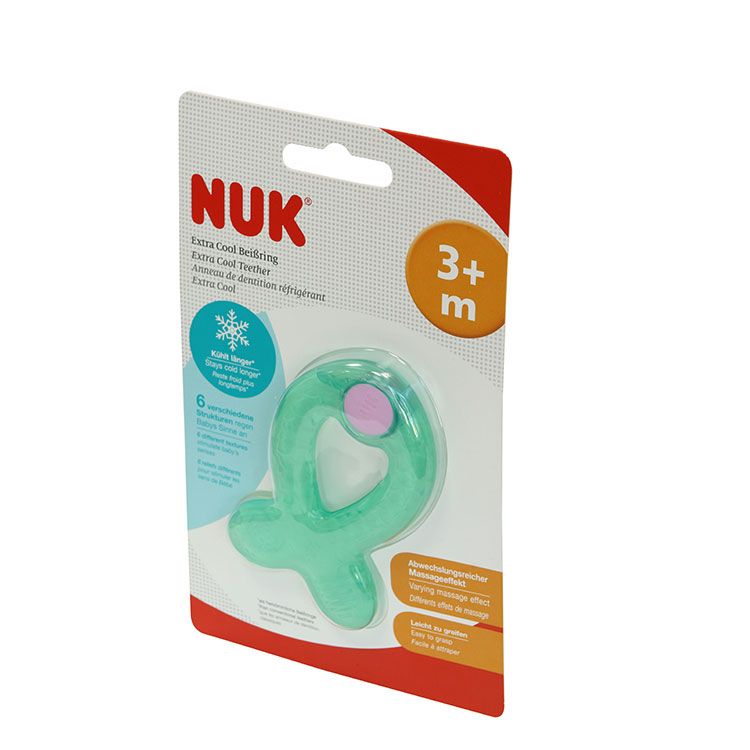
Table of Contents
- 1. What Is a Silicone Teether?
- 2. Why Do Babies Need Teethers?
- 3. Why Are Silicone Teethers So Popular Today?
- 4. Is a Silicone Teether Safe for Babies?
- 5. Silicone Teether vs Other Teether Materials
- 6. Key Features of a High-Quality Silicone Teether
- 7. Manufacturing Standards Behind Silicone Teethers
- 8. Why Brands Choose Custom Silicone Teethers
- 9. How to Use and Maintain a Silicone Teether
- 10. Frequently Asked Questions
1. What Is a Silicone Teether?
A Silicone Teether is a baby teething aid made from food-grade or medical-grade silicone, designed to help relieve gum discomfort during the teething phase. Unlike traditional rubber or plastic teethers, silicone teethers offer a unique combination of softness, durability, and safety.
According to product specifications commonly found in professional manufacturing sources such as Silicone Teether product pages, these teethers are engineered to be:
- BPA-free and phthalate-free
- Odorless and tasteless
- Heat-resistant and cold-resistant
- Gentle on sensitive baby gums
At Joel, silicone teethers are designed not just as baby toys, but as functional oral-care tools that support early sensory development.
2. Why Do Babies Need Teethers?
Teething is a natural developmental stage that typically begins between 4 and 7 months of age. As teeth push through the gums, babies often experience:
- Swollen or inflamed gums
- Increased drooling
- Irritability and disrupted sleep
- A strong urge to chew on objects
A Silicone Teether provides controlled resistance, allowing babies to chew safely while stimulating the gums and easing discomfort—without the risks associated with random household objects.
3. Why Are Silicone Teethers So Popular Today?
Parents today are more informed than ever. Safety, hygiene, and material transparency play a major role in purchasing decisions. This shift explains the growing preference for silicone teethers.
Main Reasons Parents Prefer Silicone Teethers
- Superior Safety Profile
- Easy Cleaning and Sterilization
- Longer Lifespan Compared to Rubber
- Modern Designs and Textures
- Trust in Food-Grade Silicone
Unlike latex or PVC, silicone does not degrade easily, making it ideal for repeated chewing. This durability is one of the reasons why brands working with Joel choose silicone as their primary teether material.
4. Is a Silicone Teether Safe for Babies?
Yes—when manufactured correctly. A high-quality Silicone Teether made from food-grade silicone meets strict international safety standards.
| Safety Factor | Silicone Teether | Traditional Plastic Teether |
|---|---|---|
| BPA-Free | Yes | Not Always |
| Heat Resistance | Up to 200°C | Limited |
| Chemical Stability | Excellent | Moderate |
| Odor/Taste | None | Possible |
Manufacturers like Joel conduct rigorous testing to ensure compliance with FDA, LFGB, and EN71 standards.
5. Silicone Teether vs Other Teether Materials
Choosing the right teether material is critical. Below is a comparison that highlights why silicone stands out.
- Wooden Teethers: Natural but harder and less flexible
- Rubber Teethers: Soft but may degrade over time
- Plastic Teethers: Affordable but chemical concerns exist
- Silicone Teethers: Balanced softness, durability, and safety
This balance is the core reason the Silicone Teether dominates modern baby product catalogs.
6. Key Features of a High-Quality Silicone Teether
Not all silicone teethers are created equal. A premium product should include:
- 100% food-grade silicone
- One-piece molding to prevent choking hazards
- Textured surfaces for gum stimulation
- Non-slip, ergonomic design
At Joel, product design focuses on both functionality and aesthetics, ensuring that each silicone teether meets modern parenting expectations.
7. Manufacturing Standards Behind Silicone Teethers
Behind every safe Silicone Teether is a precise manufacturing process:
- Raw material verification
- High-temperature molding
- Post-curing for odor removal
- Manual and automated quality inspection
This process ensures consistency, durability, and compliance with global baby safety regulations.
8. Why Brands Choose Custom Silicone Teethers
Customization has become a key differentiator in the baby product market. Custom silicone teethers allow brands to:
- Create unique shapes and textures
- Reinforce brand identity
- Meet niche market demands
Many international baby brands partner with Joel to develop private-label silicone teether solutions tailored to their audience.
9. How to Use and Maintain a Silicone Teether
Proper use extends the life of a Silicone Teether:
- Wash before first use
- Sterilize regularly with boiling water or steam
- Inspect for damage
- Store in a clean, dry place
With correct care, silicone teethers remain safe and effective throughout the teething stage.
10. Frequently Asked Questions (FAQ)
Is a silicone teether better than a rubber teether?
Yes. Silicone offers better durability, hygiene, and chemical stability.
Can silicone teethers be frozen?
Yes, they can be safely chilled to enhance soothing effects.
How long does a silicone teether last?
With proper care, it can last throughout the entire teething period.
Are silicone teethers eco-friendly?
While not biodegradable, silicone is long-lasting and reduces replacement waste.
Final Thoughts
A Silicone Teether is more than a baby accessory—it is a carefully engineered solution for comfort, safety, and modern parenting needs.
If you are looking for reliable, customizable, and globally compliant silicone teether solutions, Joel is ready to support your brand growth.
To learn more about our silicone teether manufacturing capabilities or request samples, contact us today and discover how we can help you stand out in the baby care market.