What Is Heat Transfer Printing and Why Is It Transforming Modern Custom Manufacturing
Heat Transfer Printing has rapidly evolved into one of the most versatile and reliable printing technologies in modern manufacturing. From textiles and promotional products to industrial labeling and decorative finishes, this method offers unmatched flexibility, precision, and scalability. In this in-depth guide, we explore what Heat Transfer Printing is, how it works, its key advantages, material compatibility, real-world applications, and why companies like Joel rely on it to deliver consistent, high-quality results.
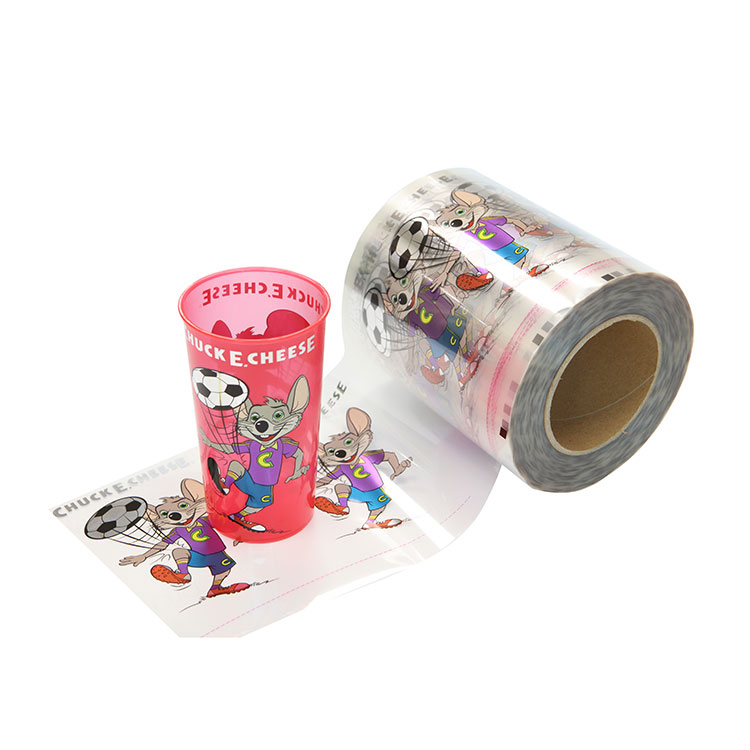
Table of Contents
- What Is Heat Transfer Printing?
- How Does Heat Transfer Printing Work?
- Main Types of Heat Transfer Printing
- Compatible Materials and Surfaces
- Key Advantages of Heat Transfer Printing
- Heat Transfer Printing vs Other Printing Methods
- Industrial and Commercial Applications
- Quality Control and Durability Factors
- Why Heat Transfer Printing Matters for Brand and SEO Visibility
- Frequently Asked Questions
What Is Heat Transfer Printing?
Heat Transfer Printing is a printing technique that uses heat, pressure, and time to transfer a printed design from a carrier material—typically transfer paper or film—onto a target surface. The design is first printed using specialized inks, then bonded to the substrate through controlled heat application.
Unlike direct printing methods, Heat Transfer Printing allows designs to be prepared in advance, stored, and applied on demand. This makes it highly suitable for customized, short-run, and variable data printing applications.
According to industry references such as Heat Transfer Printing solutions, this technology is widely used due to its adaptability across materials and industries.
How Does Heat Transfer Printing Work?
The Heat Transfer Printing process can be broken down into several clear and repeatable steps, ensuring consistent output quality.
- Design creation using digital or vector-based software
- Printing the design onto transfer paper or PET film
- Positioning the transfer onto the target substrate
- Applying heat and pressure using a heat press or industrial machine
- Peeling or curing depending on the transfer type
The precise control of temperature and pressure ensures strong adhesion and long-lasting image performance.
Main Types of Heat Transfer Printing
| Type | Description | Typical Use Cases |
|---|---|---|
| Heat Transfer Vinyl (HTV) | Solid-color vinyl cut and heat-pressed | Apparel logos, sportswear |
| Sublimation Transfer | Dye turns into gas and bonds with polyester | Sports apparel, mugs |
| Plastisol Transfer | Screen-printed ink transferred with heat | Bulk garment printing |
| Digital Heat Transfer | Full-color digital designs on film | Custom branding, short runs |
Compatible Materials and Surfaces
One of the strongest advantages of Heat Transfer Printing is its wide material compatibility.
- Cotton and blended fabrics
- Polyester and synthetic textiles
- Plastics and polymer-coated surfaces
- Metal plates and panels
- Glass and ceramics (with coating)
This versatility allows manufacturers like Joel to serve diverse markets without changing core equipment.
Key Advantages of Heat Transfer Printing
Heat Transfer Printing continues to gain market share due to its practical and economic benefits.
- High-resolution and detailed designs
- Excellent color consistency
- Low setup cost for small batches
- On-demand and customizable production
- Reduced material waste
Heat Transfer Printing vs Other Printing Methods
| Method | Best For | Limitations |
|---|---|---|
| Heat Transfer Printing | Customization, short runs | Heat sensitivity on some materials |
| Screen Printing | Large-volume orders | High setup cost |
| Direct-to-Garment | Photorealistic designs | Limited fabric compatibility |
Industrial and Commercial Applications
Heat Transfer Printing is widely used across multiple sectors:
- Fashion and apparel branding
- Promotional products
- Industrial labels and safety markings
- Home décor and interior design
- Automotive and electronics components
Quality Control and Durability Factors
Durability in Heat Transfer Printing depends on ink formulation, transfer material, pressure accuracy, and curing conditions. When executed correctly, prints can withstand repeated washing, abrasion, and environmental exposure.
Frequently Asked Questions
Is Heat Transfer Printing durable?
Yes, when properly applied, Heat Transfer Printing offers excellent durability and long-term performance.
Can Heat Transfer Printing handle complex designs?
Absolutely. It is especially effective for intricate, multi-color, and high-resolution graphics.
Is Heat Transfer Printing suitable for small businesses?
Yes. Low setup costs and flexibility make it ideal for startups and small production runs.
If you are looking to enhance product value, branding impact, and production flexibility, Heat Transfer Printing is a proven solution. At Joel, we specialize in delivering reliable, scalable printing solutions tailored to your business needs.
Ready to explore how Heat Transfer Printing can work for you? Contact us today and let our experts help you turn ideas into high-quality printed results.